Price vs Value: Why “Worth It” Means Different Things to Different People
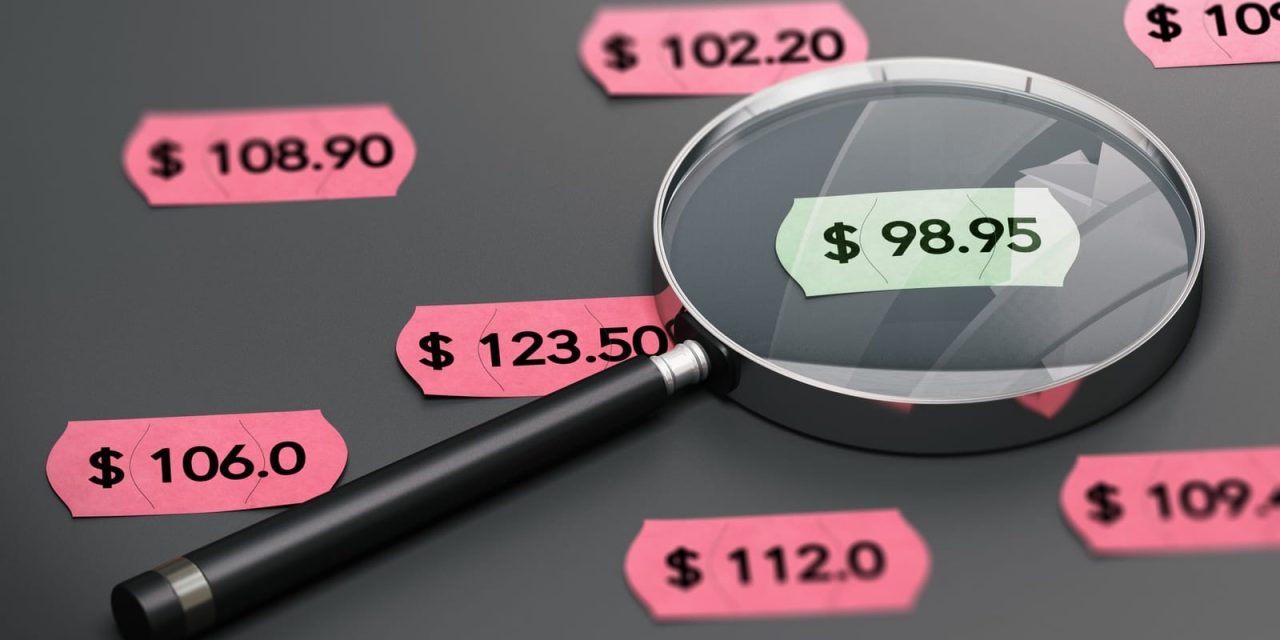
Price is what you pay. Value is what you get.
That’s the simplest way to explain the difference between price vs value—and it’s the reason two people can look at the same option and reach totally different decisions.
Here’s the quote we live by:
“We tell you the price, you decide which is worth it”. That’s what we do at UtahFi.
This isn’t just a catchy line. That quote is really about price vs value. It’s a reminder that “worth it” isn’t universal. What feels like a great deal to one person can feel like a waste to another, even if the price is identical. That’s because value is personal.
Price is objective. Value is subjective.
In “price vs value”, price is the number. The cost. The monthly payment. The fee. The total due today.
Value is what you believe you’re getting in return. And that belief is shaped by your goals, your habits, your stress tolerance, and what you care about most.
Some people want the lowest cost possible. Others will gladly pay more for simplicity, reliability, or peace of mind. Neither is wrong. They’re just valuing different things.

Why people assign value differently
Even when the facts are the same, people weigh price vs value differently. Here are common “value styles” that show up in real life:
1) The Budget Protector
This person values stability and predictability. They want fewer surprises and fewer “gotchas.” Even a small fee can feel expensive if it creates stress or uncertainty.
Worth it means: fewer surprises, more control.
2) The Maximizer
This person loves squeezing extra benefit out of the same money—rewards, cashback, interest, perks, promotions. They’re willing to do a little extra work if the payoff is real.
Worth it means: the highest upside.
3) The Simplicity Seeker
This person values “set it and forget it.” They don’t want rules, hoops, or requirements. If an option is easy and clean, that simplicity is the value.
Worth it means: easy, clear, low mental load.
4) The Convenience Buyer
Time is money. If paying more saves time, reduces friction, or makes daily life smoother, it can be a great value.
Worth it means: faster, easier, more convenient.
5) The Risk Avoider
This person values safety: fewer penalties, fewer mistakes, fewer “if you miss this requirement…” situations. They prefer options that still work even in a messy month.
Worth it means: protection from downside.
6) The Experience Buyer
Customer service, app quality, and how the product feels day-to-day matters. They’ll pay more to avoid frustration.
Worth it means: better experience, less annoyance.
7) The Values-First Chooser
This person cares about who they’re supporting—local vs national, community impact, ethics, or alignment with personal values.
Worth it means: the choice matches what I believe in.

The best value is when price feels low compared to what you get
The “sweet spot” is when something feels like high value for the price. That doesn’t always mean the lowest price. It means the benefits you care about are strong enough that the cost feels justified.
Sometimes that looks like:
- paying a little more to avoid stress
- choosing a simpler option because you know you’ll actually stick with it
- skipping a “better deal” because the rules are too annoying
- paying for quality because you’ll use it every day
A low price is only a good deal if the value is real for you.
When “cheap” becomes expensive in price vs value
The cheapest option can become the most expensive when it creates:
- constant friction
- wasted time
- poor support
- restrictions that don’t match your habits
- unpleasant surprises
That’s why the quote matters: We tell you the price, you decide which is worth it. The decision isn’t about chasing the lowest number—it’s about choosing the best fit. The real decision is price vs value.
A simple way to decide what’s worth it (without overthinking)
Ask yourself these 7 questions:
- What do I actually want this to do for me?
- Which matters more right now: saving money or saving time/stress?
- Will I really use the main benefit, or just like the idea of it?
- What happens in a messy month?
- Do the rules match my habits—or require me to change?
- Do I trust the quality and experience at this price?
- If I pay more, what do I get that I truly care about?
Your answers will naturally point to what you value most.
The bottom line
In price vs value, price is a number and value is personal.
So when you see options side by side, remember: you’re not just choosing the lowest price—you’re choosing what’s worth it to you.
We tell you the price, you decide which is worth it.
Check out price comparisons in our dedicated section Comparisons in our Insights category.
For more on common account fees and what to look for, see the Consumer Financial Protection Bureau’s bank account guidance.