Introduction
Starting a business in Utah usually requires spending money before the business begins bringing in steady income. Even small businesses can have early costs like equipment, supplies, insurance, software, marketing, or rent. Without a plan for those expenses, it is easy to run short on cash in the first few months.
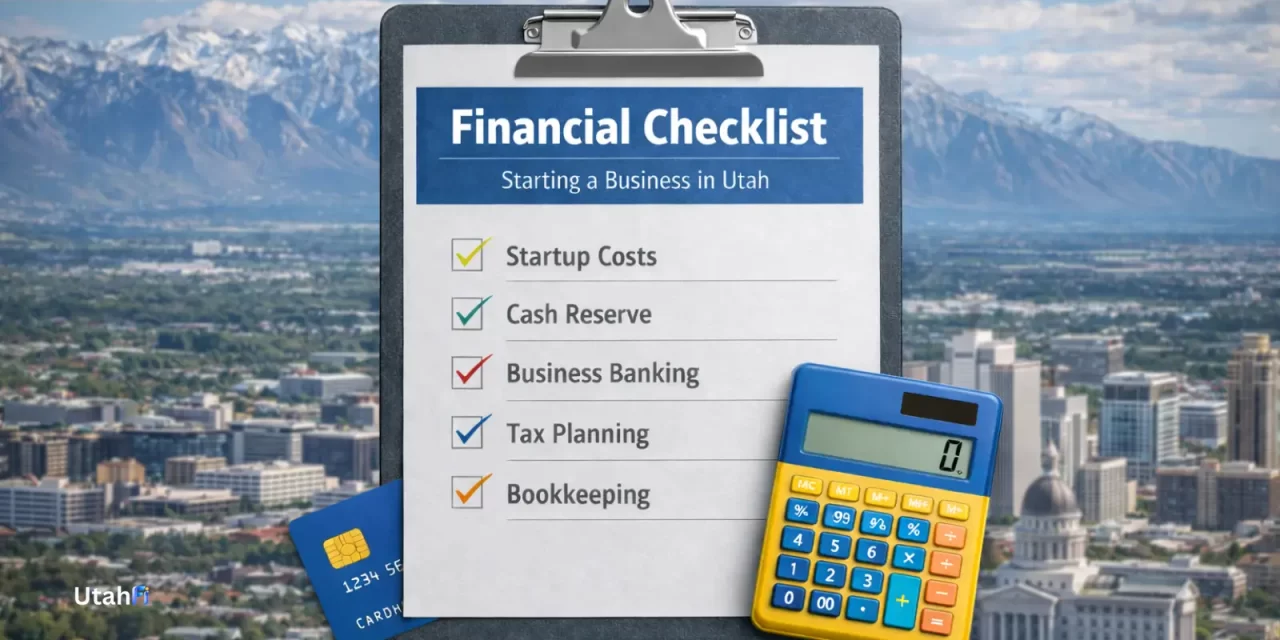
This guide focuses on the financial side of preparing for a business launch. It covers startup costs, monthly expenses, business banking, taxes, bookkeeping, payment processing, insurance, and funding. The goal is to help you build simple financial systems before you start operating.
This financial checklist for starting a business in Utah does not explain business registration or legal setup. Instead, it focuses on helping you understand how much money you may need, how to organize your finances, and how to avoid common financial mistakes early on.
If you recently moved to Utah and you are still learning how local banking options and living costs may affect your budget, start with our Financial Guide for New Utah Residents.
Table of Contents
- Estimate Your Startup Costs
- Separate Personal and Business Finances
- Prepare to Open a Business Bank Account
- Set Up a Tax Money System
- Choose a Bookkeeping System
- Plan for Payment Processing
- Understand Insurance and Risk Planning
- Think About Funding and Credit
- Final Financial Readiness Checklist
- Conclusion
Estimate Your Startup Costs
Before you launch, you need a clear idea of how much money it will take to start and how much it will take to keep the business running each month. This is an important part of a financial checklist for starting a business in Utah because it helps you decide whether your plan is realistic right now.
You can use the SBA’s startup cost guide as a reference.
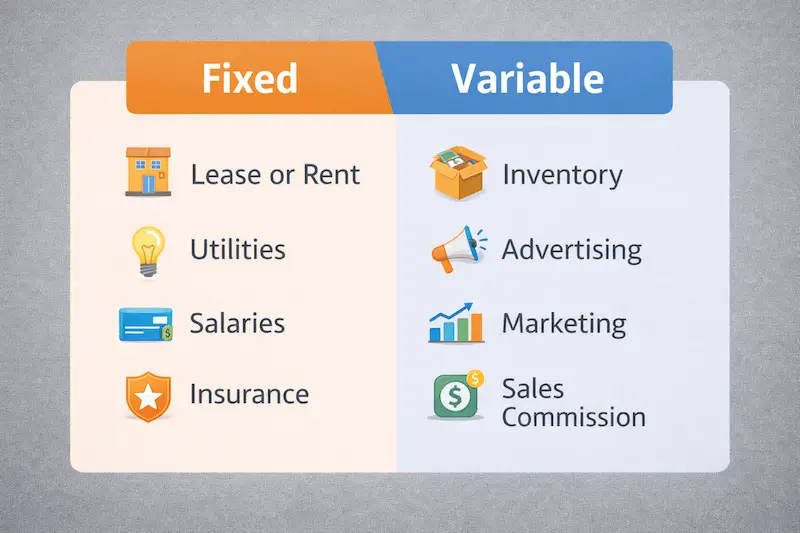
One-Time Costs vs Monthly Costs
Start by separating costs into 2 simple groups.
One-time costs (usually paid before opening or early on):
- Equipment and tools
- A computer, phone, or printer
- Initial supplies
- First inventory order
- Website setup or branding work
- Deposits like rent or utilities
Monthly costs (repeat every month):
- Business rent
- Insurance
- Internet and phone
- Software subscriptions
- Advertising or marketing
- Inventory reorders
- Delivery, shipping, or mileage costs
- Payments to helpers or contractors
Write your best estimate for each item. If you are unsure, use a higher number so you are not surprised later.
How Many Months Can You Cover?
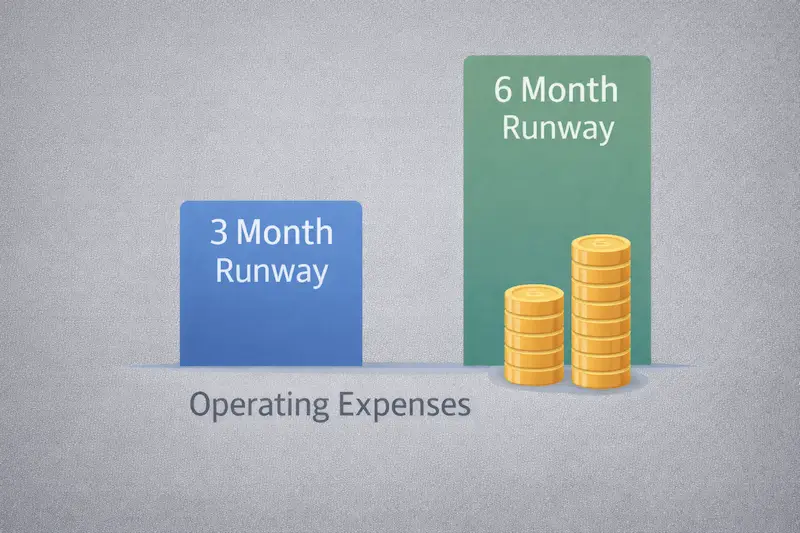
Next, calculate how many months your savings can cover your monthly costs.
Ask yourself:
If I made no money for a few months, how long could I still pay the business bills?
Example:
- You have $15,000 saved for the business
- Your monthly costs are about $3,000
15,000 ÷ 3,000 = 5
You could cover about 5 months of expenses.
Many people aim for at least 3 months of expenses covered. Having closer to 6 months gives you more breathing room if sales start slow.
Add a Cash Buffer
New businesses usually face surprises:
- You need to replace something
- A customer pays late
- A slow month happens
- A cost is higher than expected
Plan for this by adding extra money on top of your estimates. Even a small buffer can prevent a short-term cash problem from turning into a major issue.
Separate Personal and Business Finances
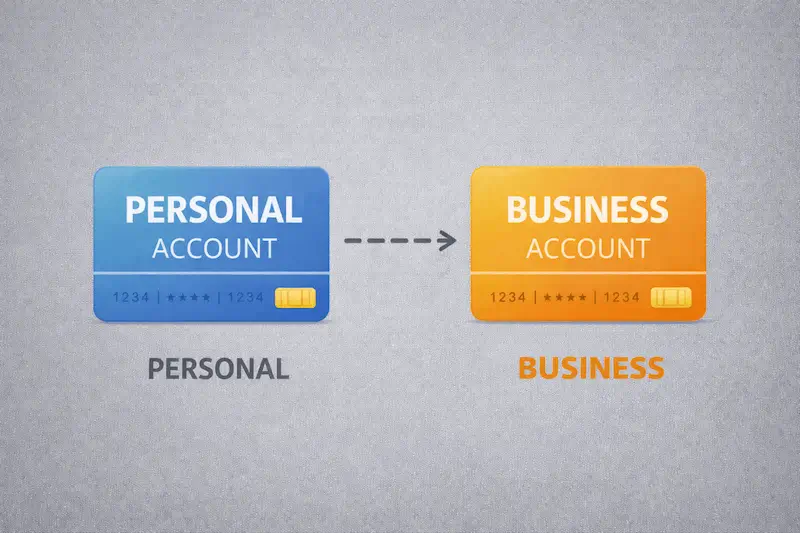
One of the easiest ways to create money problems in a new business is to mix personal spending with business spending. Even if your business is small, keeping the money separate makes it easier to stay organized and understand where your money is going.
Why Separation Matters
When your business money is separate, you can answer basic questions quickly:
- Is the business making money or losing money?
- How much can the business afford to spend this month?
- How much should you set aside for taxes?
It also makes bookkeeping simpler because your business activity stays in one place instead of being mixed into personal purchases and bills.
If you need to open a personal checking account, check our guide Best Checking Accounts in Utah.
If you need to open a business account, check our guideBest Business Checking Accounts in Utah.
Risks of Mixing Funds
When everything runs through your personal account, common problems show up fast:
- You forget which purchases were for the business
- You miss expenses that should be tracked
- You spend business money on personal bills without noticing
- It becomes harder to understand your true monthly costs
Mixing money also makes it harder to get help later. If you ever hire a bookkeeper or accountant, messy records cost more time and more money to clean up.
Simple Planning for a Basic Setup
You do not need a complicated system to start. You just need a clear separation between personal and business finances.
A simple setup may include:
- 1 business checking account for income and expenses
- 1 business savings account for taxes and emergency reserves
- A simple plan for how you will pay yourself from the business
Keeping things organized early makes the rest of this financial checklist for starting a business in Utah easier to manage.
Prepare to Open a Business Bank Account
A business bank account is a key part of any financial checklist for starting a business in Utah because it keeps your business money separate and makes income and expenses easier to track. It also helps you start with clean records from day 1.
Before gathering paperwork, it helps to understand what documents you may need to open a business bank account in Utah.
Check our guide to Best Business Checking Accounts in Utah.
If you want a bigger picture view of local institutions, see:
What Financial Documents and Details to Have Ready
You do not need a long folder of paperwork for this checklist, but you should have your financial details clear before you apply so you choose the right account.
Have these ready:
- Your starting deposit amount — how much you will put in the account right away
- Your expected monthly activity — how many deposits and payments you expect
- How you expect to get paid — card payments, bank transfers, checks, or cash
- Your monthly budget estimate — rough monthly spending so you can avoid fee surprises
The goal is to avoid opening an account that looks free at first but becomes expensive once you start using it.
Choosing Between a Bank and a Credit Union
Both banks and credit unions can work for business banking. The best choice depends on how you plan to use the account.
In general:
- A bank may be a better fit if you want a larger branch network, more business account options, or more business lending products later.
- A credit union may be a better fit if you want lower fees, a simpler relationship, or a more local experience.
For a full comparison, see:
Plan for Fees and Limits
Before you choose an account, look at these items:
- Monthly service fee and how to avoid it
- Minimum balance requirements
- Number of transactions included per month
- Cash deposit limits, if you handle cash
- Wire or transfer fees, if you pay vendors that way
Even small fees add up. The right account depends on your expected activity, not just the name of the institution.
Set Up a Tax Money System
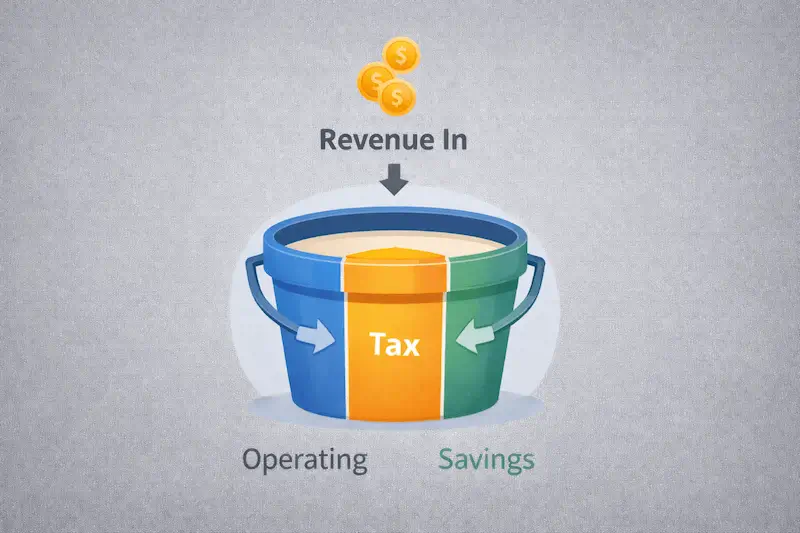
When you start a business, taxes do not get taken out automatically the way they do with a regular paycheck. That means it is easy to spend money that was never really yours to spend. A simple “set-aside” system helps you avoid that problem.
Helpful link: IRS Small Business and Self-Employed Tax Center
This is an important part of a financial checklist for starting a business in Utah because tax stress often comes from one issue: the money was not separated early.
Why You Need a Set-Aside System
If you wait until tax time to figure it out, you may realize you owe more than what is left in your account. Even if the business is doing well, that can cause a cash squeeze.
Setting money aside regularly keeps taxes from becoming a surprise bill.
Simple “Split Every Payment” Approach
A basic method is:
Whenever your business gets paid, move a portion of that money into a separate savings account and leave it there.
Helpful Link: IRS Estimated Taxes Overview
You do not need a perfect number on day 1. What matters is the habit:
- money comes in
- you move part of it out right away
- you do not spend that tax money
If you want to keep it simple, pick a percentage and use it every time. You can adjust later when you have more real numbers.
Use a Dedicated Savings Bucket
Open a separate savings account and label it “Tax.”
Then set a rule:
-
After every deposit, transfer your tax set-aside amount into that account.
This keeps your main checking balance more honest. It helps you avoid looking at your checking account and thinking you have more spending money than you really do.
Choose a Bookkeeping System
Bookkeeping simply means keeping a clean record of money coming in, money going out, and what each expense was for. You do not need a complicated system to start, but you do need a consistent one.
If you wait too long, it becomes harder to remember what each transaction was for. This can make taxes, budgeting, and business decisions more difficult later.
Basic Tracking Categories
Start with a short list of categories that covers most businesses. You can add more later.
Common categories include:
- Income
- Supplies or inventory
- Marketing and advertising
- Software and subscriptions
- Rent or workspace
- Insurance
- Travel or mileage
- Professional services
- Equipment
- Taxes set aside
Keep categories simple enough that you will actually use them.
A Monthly Money Check-In
Once per month, do a short review:
- Make sure all income and expenses are recorded
- Check your business account balance
- Confirm you moved money into your tax savings account
- Review any unpaid invoices or bills
This keeps small issues from turning into bigger ones.
Keep Receipts in One Place
Pick one place where receipts and invoices will live. The goal is that you can find them later without searching through texts, emails, and photos.
Simple options:
- A folder in cloud storage
- A dedicated email label
- A bookkeeping app that stores attachments
If you handle receipts as you go, you avoid a pile-up at the end of the year.
Plan for Payment Processing
How you get paid affects your cash flow. Some payment methods are fast, while others take longer to reach your account. Some also include fees that reduce how much money you actually keep from each sale.
Planning this early is an important part of a financial checklist for starting a business in Utah because payment timing can affect your ability to cover monthly expenses.
Decide How You Will Get Paid
Think about how customers will realistically pay your business.
Common options:
- Debit and credit cards
- Online invoices with card or bank payment
- Bank transfers
- Checks
- Cash
You may use more than one. The key is to choose methods that match your customers and your pricing.
Know the Fees Before You Set Prices
Most card processors and online payment platforms charge fees for each transaction.
Before setting prices, understand:
- Whether the fee is a percentage, a flat amount, or both
- Whether refunds or chargebacks include additional fees
- Whether faster transfers cost extra
These costs may seem small at first, but they can add up over time.
Plan for Timing Delays
Not every payment reaches your bank account immediately.
Before choosing a payment method, ask:
- How long does it take for money to reach the account?
- What happens on weekends or holidays?
- How quickly are refunds processed?
A business can still face cash problems even during good sales months if payments arrive later than expected.
Understand Insurance and Risk Planning
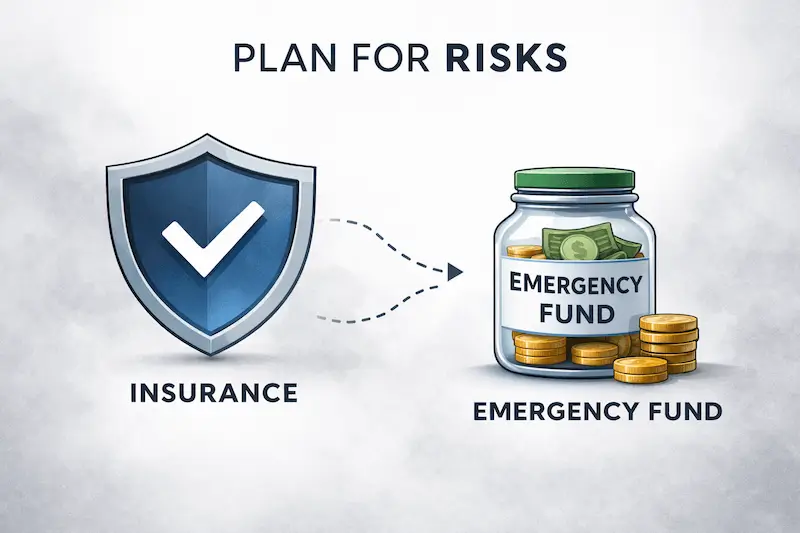
Every business faces some level of risk, including small businesses and side businesses. Unexpected expenses can happen early, even when the business is growing.
Planning for those risks is an important part of a financial checklist for starting a business in Utah because one unexpected cost can create major financial pressure if you are not prepared.
Budget for Insurance
Before launching, get a general idea of what insurance may cost for your type of business.
Common types of business insurance include:
- General liability insurance
- Professional liability insurance
- Commercial auto insurance
- Property or equipment coverage
You do not need to buy every type of coverage immediately, but you should understand which costs may become part of your monthly budget.
Insurance is easier to manage when it is planned for early instead of treated as an unexpected expense later.
Build a Business Emergency Fund
In addition to covering normal monthly expenses, it helps to keep extra money set aside for unexpected problems.
Examples include:
- Equipment breaking
- A slow sales month
- A customer paying late
- Repairs or replacement costs
This emergency money should stay in the business, not mixed with personal savings.
Even a small reserve gives you options. Without it, a short-term problem can turn into a larger financial issue.
Insurance and emergency savings are often overlooked in a financial checklist for starting a business in Utah, but they help protect the business from setbacks.
Planning for risk does not guarantee smooth growth. It simply reduces the chance that one setback forces you to stop operating.
Think About Funding and Credit
Before you launch, decide how you plan to pay for the business and what you will do if you need extra money later. This part of a financial checklist for starting a business in Utah helps you avoid taking on more debt than the business can realistically support.
Personal Money vs Outside Funding
Many businesses start with:
- Personal savings
- Income from a regular job
- Family support
- Money saved over time
Using your own money may keep things simpler because there is no lender or monthly loan payment involved.
Outside funding may include:
- Business loans
- Lines of credit
- Business credit cards
- Investors
Outside funding can help a business grow faster, but it also increases financial pressure because payments still need to be made during slower months.
Understand How Debt Changes Your Monthly Costs
Borrowing money usually adds another monthly payment to your budget.
That means your business may need to cover:
- Normal business expenses
- Your personal living expenses
- Loan or credit payments
If revenue is inconsistent early on, too much debt can create stress and reduce flexibility.
Keep Credit Use Simple Early On
If you plan to use credit, create simple rules from the beginning:
- Use credit only for business expenses
- Track every purchase
- Pay attention to payment due dates
- Avoid relying on credit for basic monthly bills
Starting smaller with lower monthly costs is often safer than growing too quickly without stable income.
Final Financial Readiness Checklist
Before launching, review this checklist and make sure the financial side of the business feels organized and realistic. A strong financial checklist for starting a business in Utah should help you understand your costs, protect your cash flow, and reduce avoidable financial mistakes early on.
Startup Costs
- Estimated one-time startup costs
- Estimated monthly business expenses
- Added extra money for unexpected costs
Savings and Cash Planning
- Calculated how many months of expenses your savings can cover
- Planned for slower sales or delayed payments
- Set aside extra emergency money for the business
Banking
- Planned to open a separate business bank account
- Compared banks and credit unions
- Reviewed account fees and transaction limits
Helpful comparison links:
- Best Business Checking Accounts in Utah
- Best Banks in Utah
- Best Credit Unions in Utah
- Bank vs Credit Union in Utah
Taxes
- Created a simple tax set-aside system
- Opened a separate savings account for taxes
- Planned to move money after each deposit
Bookkeeping
- Chosen a simple tracking system
- Created basic expense categories
- Planned a monthly financial review
- Organized receipts and invoices
Payments
- Decided how customers will pay
- Reviewed processing fees
- Understood how long payments take to reach the bank account
Insurance and Risk Planning
- Requested insurance quotes
- Included insurance in the monthly budget
- Built an emergency reserve plan
Funding and Credit
- Decided how the business will be funded
- Reviewed how debt affects monthly costs
- Planned to keep credit use simple early on
Conclusion
Starting a business in Utah usually involves more than just launching a product or offering a service. It also requires planning for expenses, taxes, banking, bookkeeping, payment timing, and unexpected costs.
Completing a financial checklist for starting a business in Utah before launching can help you avoid common money problems during the early stages of the business. The goal is not to build a perfect plan. The goal is to start with a clearer understanding of how the business will manage money from day 1.