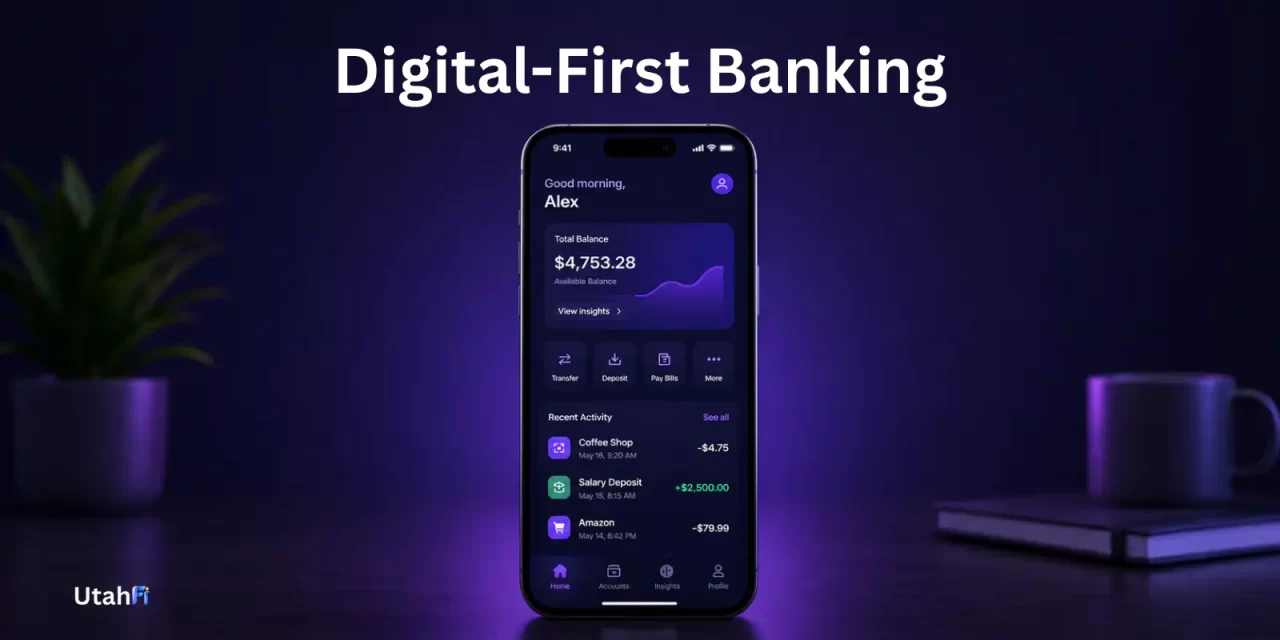
What Is Digital-First Banking
Digital-first banking is a model where banking services are designed to be used primarily through digital platforms, such as mobile apps and online interfaces, rather than physical branches. Instead of relying on in-person visits, users can open accounts, move money, and manage finances entirely online.
This approach represents a shift from branch-centered banking to platform-based banking, where speed, accessibility, and user experience are built into the system from the beginning.
While the term “digital banking” is often used broadly, digital-first banking refers specifically to systems designed around digital access from the start, rather than traditional banks adding digital features later.
In Simple Terms
Digital-first banking means your bank lives in your phone.
Instead of going to a branch, waiting in line, or filling out paperwork, you can handle almost everything instantly through an app, anytime and from anywhere.

What Changed (Before vs Now)
Traditional banking relied on physical branches, paperwork, and limited hours. Opening an account often required in-person verification, forms, and waiting periods. Many services depended on manual processes and scheduled access.
Today, digital-first banking delivers a fully online experience. Accounts can be opened in minutes, identity verification happens digitally, and services are available 24/7 without location constraints. Transactions, alerts, and account management happen in real time.
This shift has redefined expectations, making Speed, simplicity, and constant access the new standard for banking.
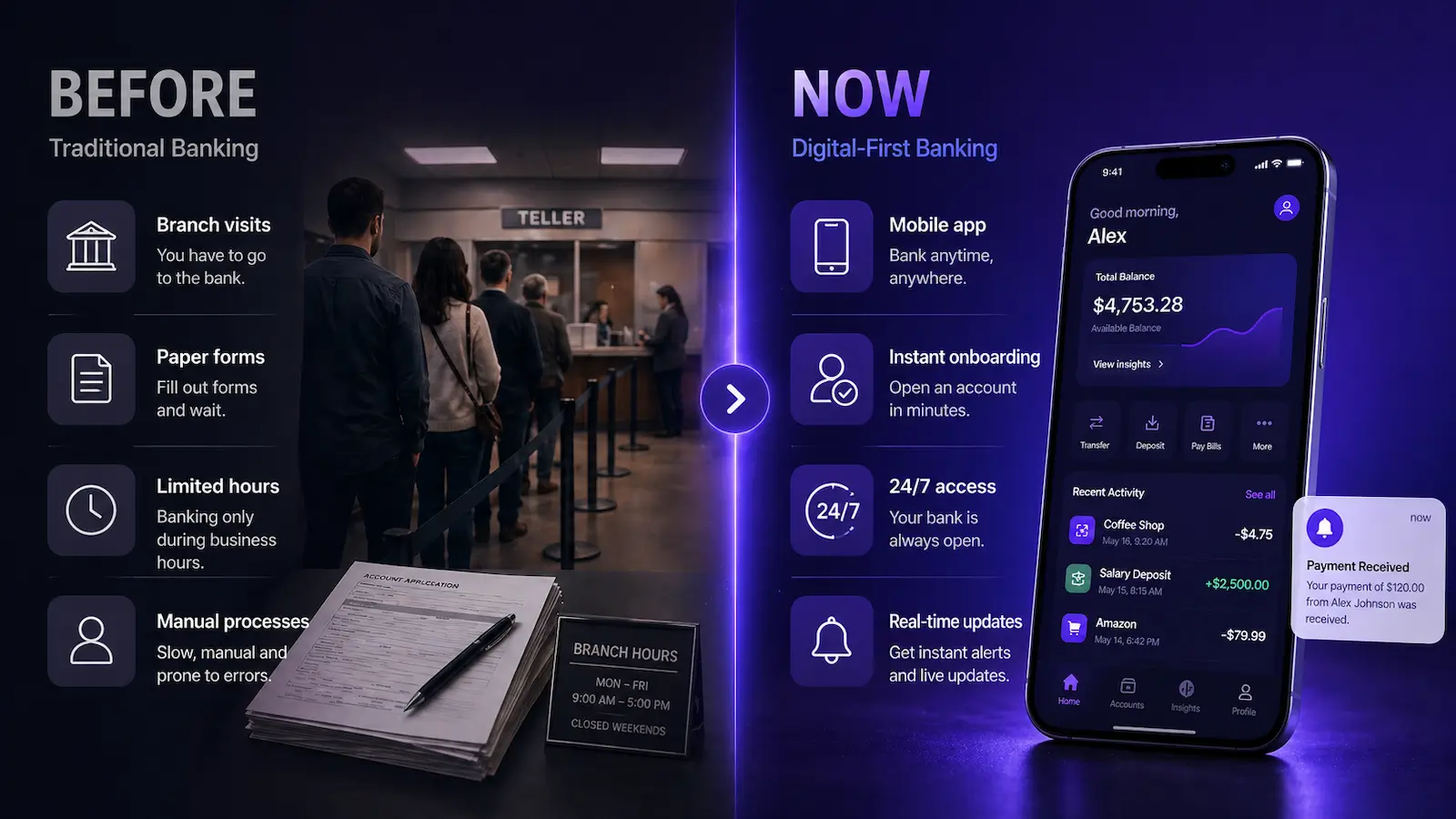
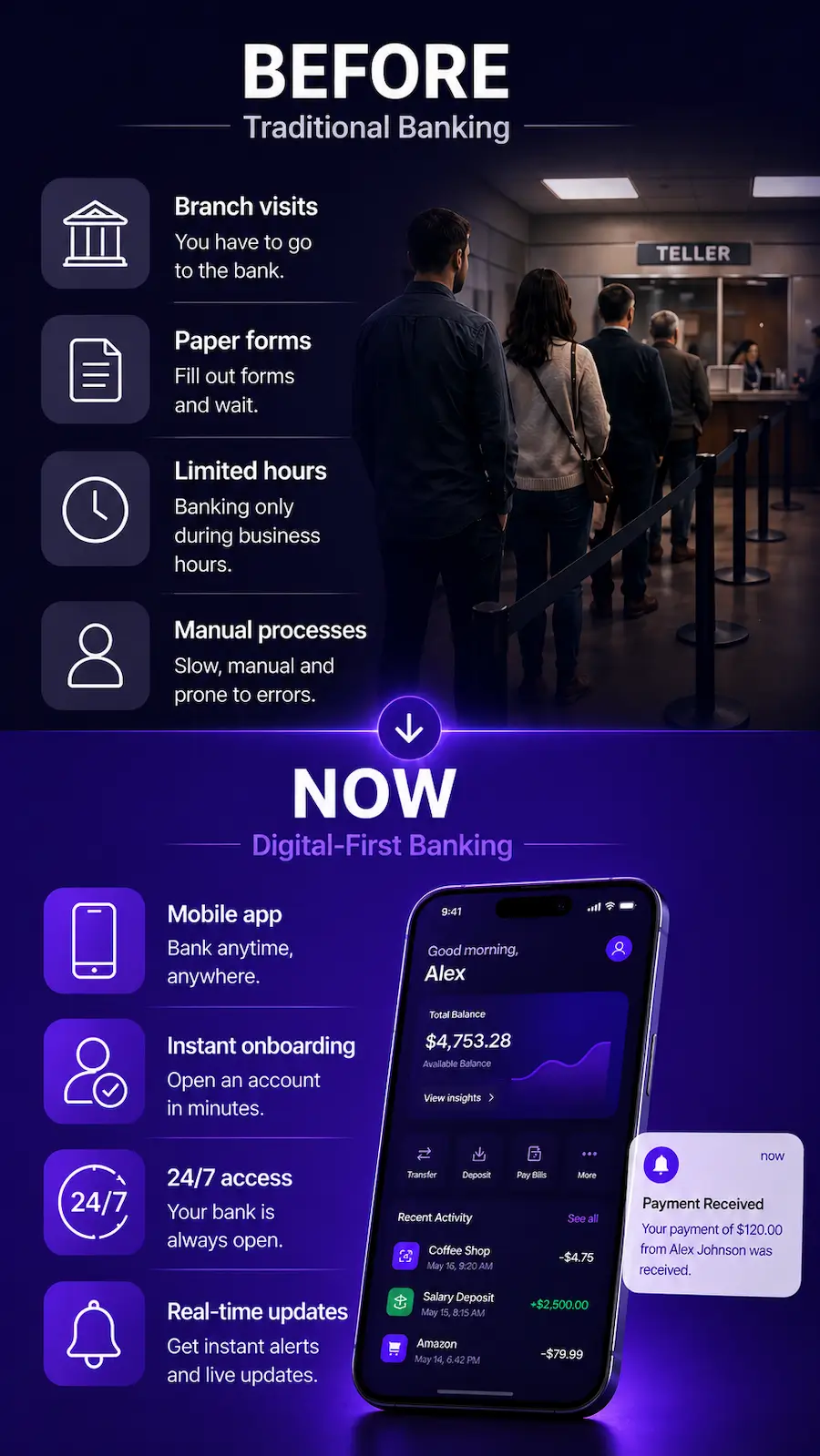
Traditional Banking and Digital Banking
Examples of Digital-First Banking
Digital-first banking appears in everyday financial activities:
- Opening checking or savings accounts entirely online
- Managing money through mobile apps and dashboards
- Receiving real-time notifications for transactions
- Using built-in tools for budgeting and spending tracking
- Accessing financing through platforms that connect businesses with lenders, such as Small Business Loan Marketplaces
These experiences reduce friction and make banking feel more like using a modern app than interacting with a traditional institution.
How Digital-First Banking Works
Digital-first banking is built on a combination of user-facing platforms, infrastructure systems, and data layers.
Apps and online platforms act as the interface, allowing users to interact with their accounts. Behind the scenes, infrastructure systems handle account creation, payments, and compliance. Data systems process activity to generate alerts, insights, and automated features.
Together, these layers create a seamless, continuous, and app-based banking banking experience without relying on physical branches.
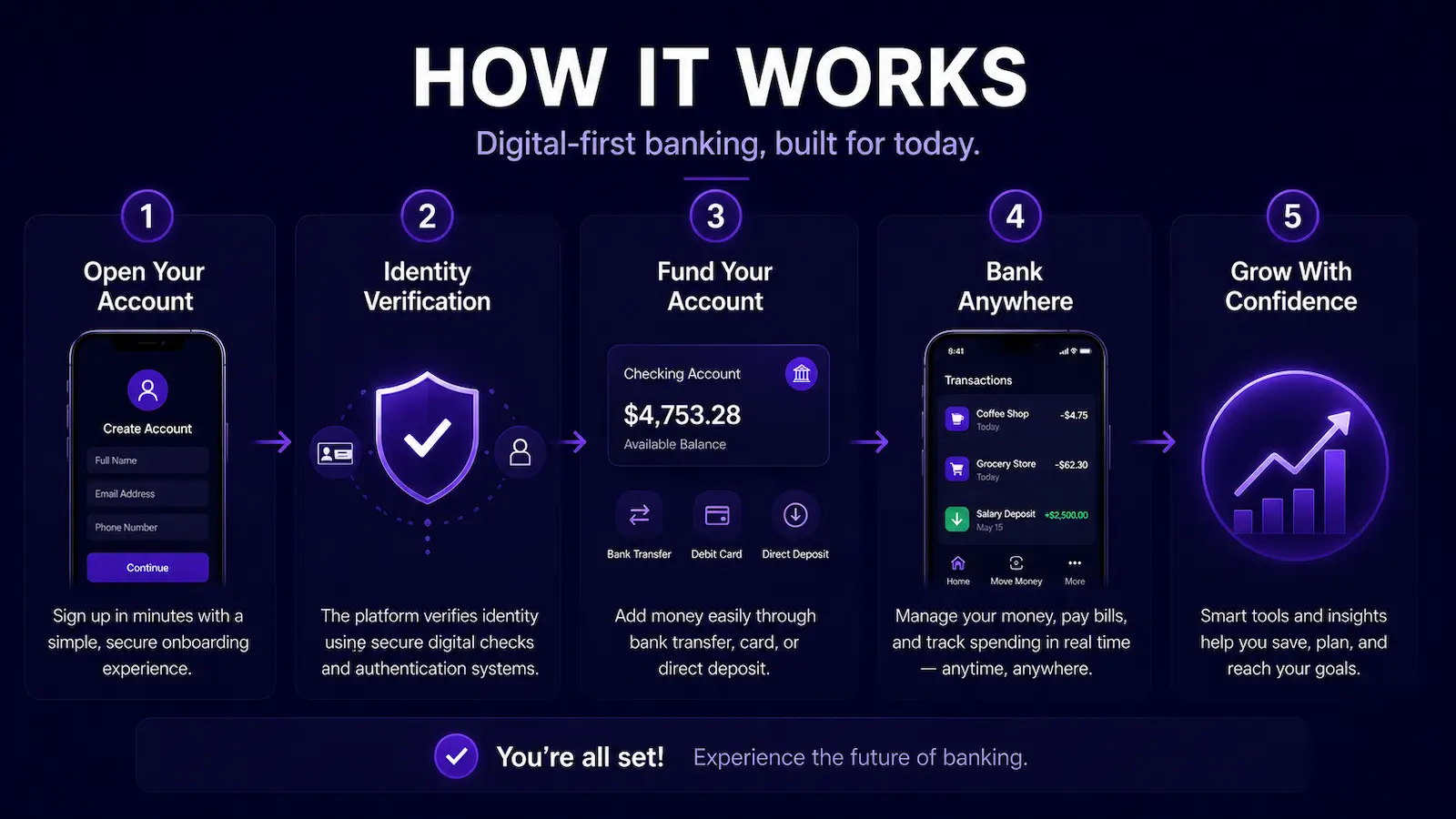
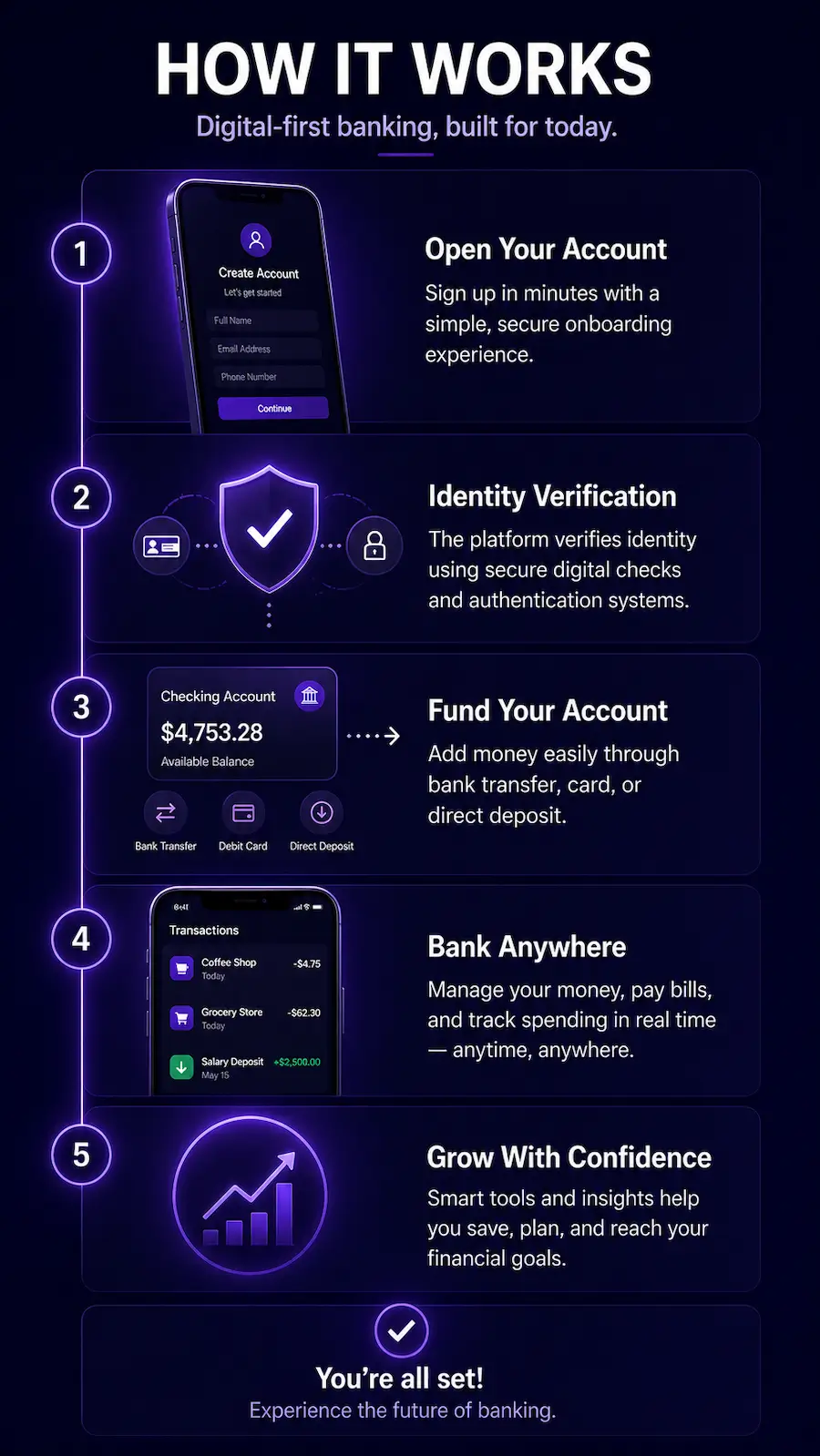
How Digital-First Banking Works
Key Players and Competitors
Utah-based companies
- SoFi Bank — digital-first national bank based in Cottonwood Heights, Utah, offering checking, savings, lending, and investing through an app-driven experience.
- Ally Bank — no physical branches, operates through its Utah industrial bank presence in Sandy, Utah, delivering checking, savings, and lending.
- Varo Bank — mobile-first bank based in Draper, Utah, providing deposit accounts and financial tools through a fully digital platform.
- Seis — focused on Spanish-speaking users, headquartered in Lehi, Utah, offering a digital-first banking experience.
Other companies in this space
- Bluevine — business-focused digital banking, based in New Jersey with an office in Cottonwood Heights, Utah, offering online financial tools.
- Capital One — hybrid model (digital + traditional), combining branch banking with strong online and mobile platforms.
- Chime — mobile-first financial platform focused on everyday spending, account management, and real-time tools.
Why It Matters
Digital-first banking improves how and when people access financial services.
- Convenience: banking can be done anytime, anywhere
- Faster onboarding: accounts can be opened quickly without paperwork
- Better user experience: apps are designed to be simple and intuitive
- Continuous access: no dependency on branch hours
These advantages make financial services more accessible and easier to use in daily life.

Digital-First Banking and Embedded Finance
Digital-first banking is closely connected to how financial services are integrated into digital experiences. Instead of going to a bank, users can interact with financial tools directly inside apps they already use, as explained in Embedded Finance: How Financial Services Move Into Apps.
This shift allows banking features like payments, accounts, and lending to appear within platforms people use every day, rather than requiring a separate banking destination.
Digital-First Banking and Banking-as-a-Service (BaaS)
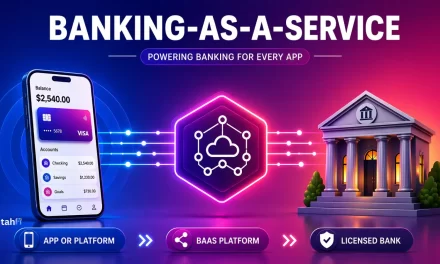
Digital-first banking depends on underlying infrastructure that allows companies to offer financial services without building everything themselves. This model is expanded in Banking-as-a-Service (BaaS): The Shift That Lets Any Company Offer Banking.
BaaS enables apps and platforms to connect to regulated banking systems and launch features like accounts, payments, and cards. This makes it possible for digital-first banking experiences to exist without relying on traditional branch-based structures.
Digital-First Banking and AI in Finance
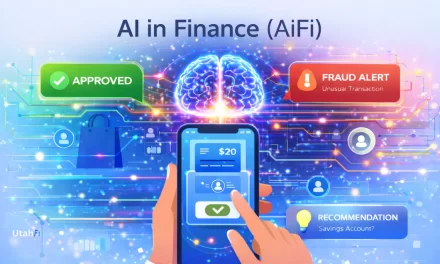
Artificial intelligence enhances digital-first banking by helping platforms analyze data, detect patterns, and automate decisions. This enables features like real-time alerts, personalized insights, and improved fraud detection. For a deeper explanation, see AI in Finance: How Artificial Intelligence Is Changing Money.
As these systems improve, digital-first banking becomes more adaptive and responsive, adjusting to user behavior and delivering more relevant financial information automatically.
Limitations
Despite its advantages, digital-first banking has tradeoffs:
- Limited or no physical branch access
- Dependence on internet connectivity and devices
- Customer support may be less personal or harder to access
- Not ideal for users who prefer in-person interactions
These limitations show that digital-first banking may not fit every situation or user preference.

What’s Next (Future of Digital-First Banking)
Digital-first banking continues to evolve:
- More personalized financial experiences based on user behavior
- Deeper integration into everyday apps and platforms
- Expansion into business banking tools and services
- Continued shift away from physical branches
As technology improves, the line between banking and digital platforms will continue to blur, making financial services more embedded and accessible.
Conclusion
Digital-first banking represents a shift from physical, branch-based systems to fully digital financial experiences. It changes how accounts are opened, how money is managed, and how financial services are delivered.
By making banking faster, more accessible, and more integrated into daily life, digital-first platforms are redefining how people interact with money. What once required a visit to a branch can now happen instantly, from anywhere, highlighting the shift toward fully digital financial experiences.

Disclaimer: Information in this article is for educational purposes and may change over time.